← Case studies
01 / Business we build & operate

Frank and Beans

Established in 2009, an Australian underwear business developed across product, creative, commerce, marketing and operations for Australia and New Zealand.

Market
Australia · New Zealand
Status
Established 2009 · Ongoing
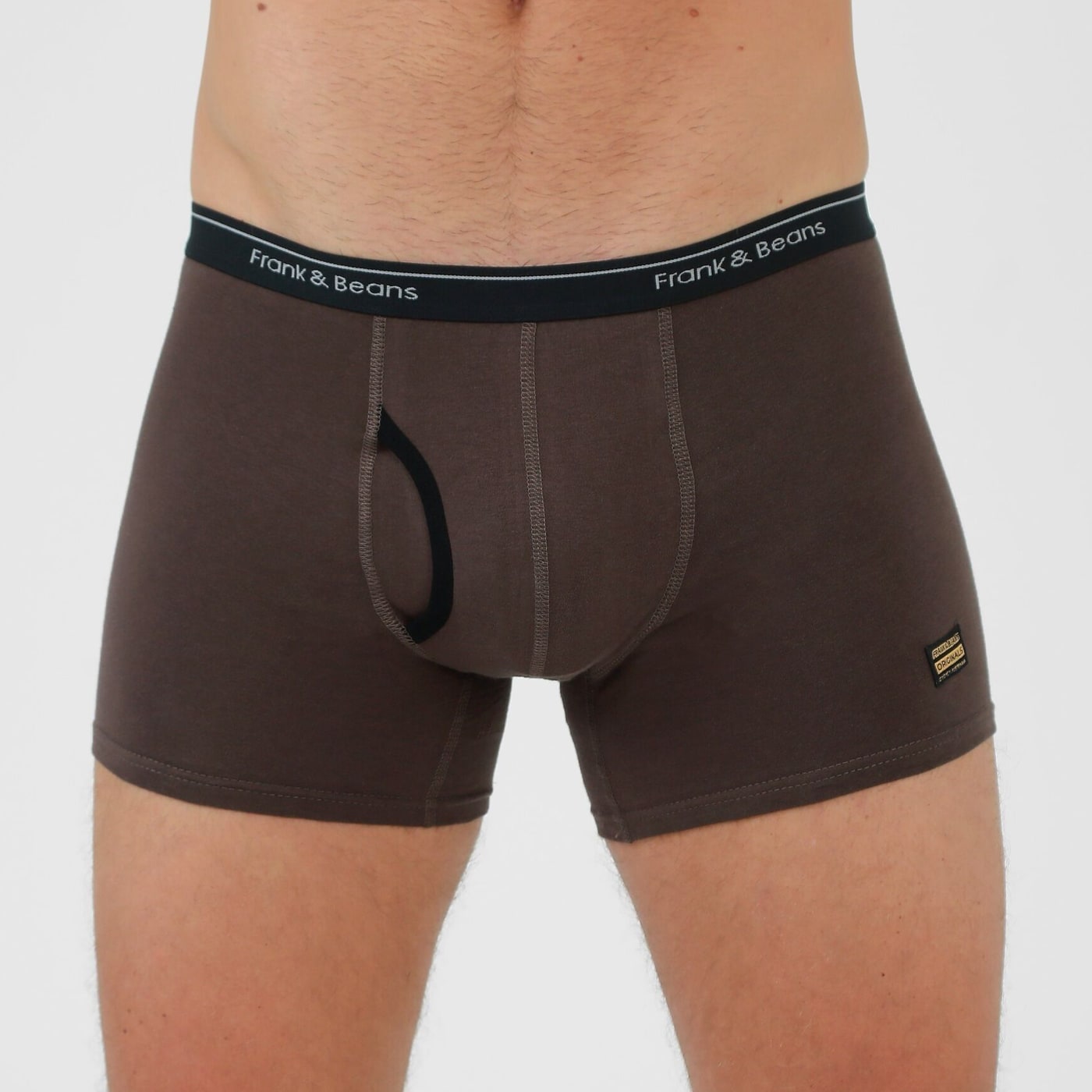
Frank and Beans cotton underwear campaign

The business

More than an underwear storefront.

Frank and Beans is a business we own and operate. Building it means working across the product itself, how it is photographed and explained, where it is sold, how customers buy and what happens after the order arrives.

Since 2009, we have learned through changing products, customers, platforms and channels. That experience has taught us where growth becomes disconnected—and how to bring the brand, buying journey and daily operation back together.

We now bring those lessons to other businesses that want to expand, improve what already works and grow with a stronger foundation.

What we build

From photoshoot to fulfilment.

Each product moves through a connected journey. Creative direction and photoshoots become campaign assets, product stories and merchandising; the storefront then connects that work to checkout, marketplaces, fulfilment and the data used for the next decision.

  • Product development, photoshoots and campaign creative
  • Product naming, storytelling, SEO content and product pages
  • Responsive AU and NZ storefronts and merchandising
  • Checkout, payment and customer-account journeys
  • Promotions, lifecycle email, reviews and customer proof
  • Marketplace feeds, catalogue and channel coordination
  • Warehouse, shipping and fulfilment workflows
  • API integrations, focused reporting, monitoring and automation

Connected operations

APIs, AI and the full customer cycle.

The storefront is one part of an API-connected operation. Product, order and customer information can move between the websites, warehouse, carriers, marketplaces, support tools and reporting without teams repeatedly re-entering the same data.

  • AI-assisted warehouse workflows help guide picking, packing and repeat operational decisions while keeping the team in control
  • Packing images are captured and stored against each order as a security record, then automatically sent to the customer for a clear record of what left the warehouse
  • The customer-facing exchange journey is automated from the return request and instructions through progress updates and replacement processing
  • The most important commercial and operational KPIs are stored, summarised and explained in plain language—without burying the decision inside every available metric

Warehouse systems

Every scan becomes evidence and insight.

A sanitised demonstration of how one packing workflow can protect the order, help the customer and update the numbers that matter.

01 · Packing evidence

Three items. Three scans. One order record.

  1. 01

    Record the dispatchEvery garment is scanned into the order record as it enters the parcel.

  2. 02

    Retrieve the proofIf a customer reports an item missing, support opens the original packing record.

  3. 03

    Answer with evidenceThe stored scans show what left the warehouse and prepare a clear response.
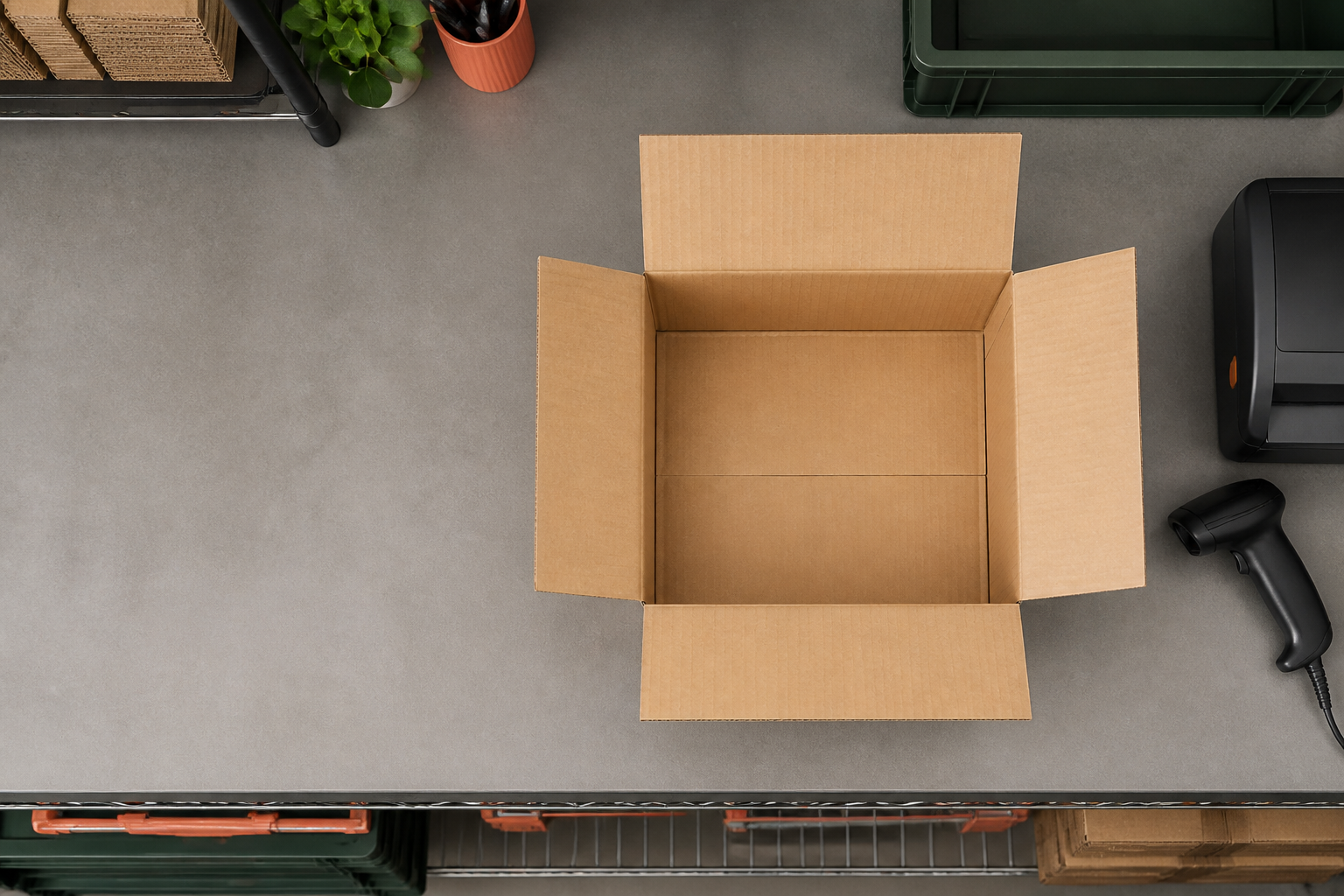
Top-down ecommerce packing station with an open cardboard box and barcode scanner
ORDER #10482Ready to pack
SKU 011
SKU 022
SKU 033
Customer email · 10:42

“My parcel arrived with two garments.”

Customer service · Record retrieved

“We’ve pulled the packing record for order #10482. It confirms three garments were scanned and dispatched.”

Evidence clip ready to share

Outcome: support can answer using the original dispatch record.

The evidence is retrieved from the order—not reconstructed later.

02 · Warehouse pulse

One completed order updates every useful period.

Illustrative, sanitised data

  1. 01

    Accept each scanEvery barcode immediately adds one unit to the relevant SKU totals.

  2. 02

    Verify the complete packThe order count changes only after every expected item is confirmed.

  3. 03

    Explain the operationToday, week, month and year stay current without manual reporting.

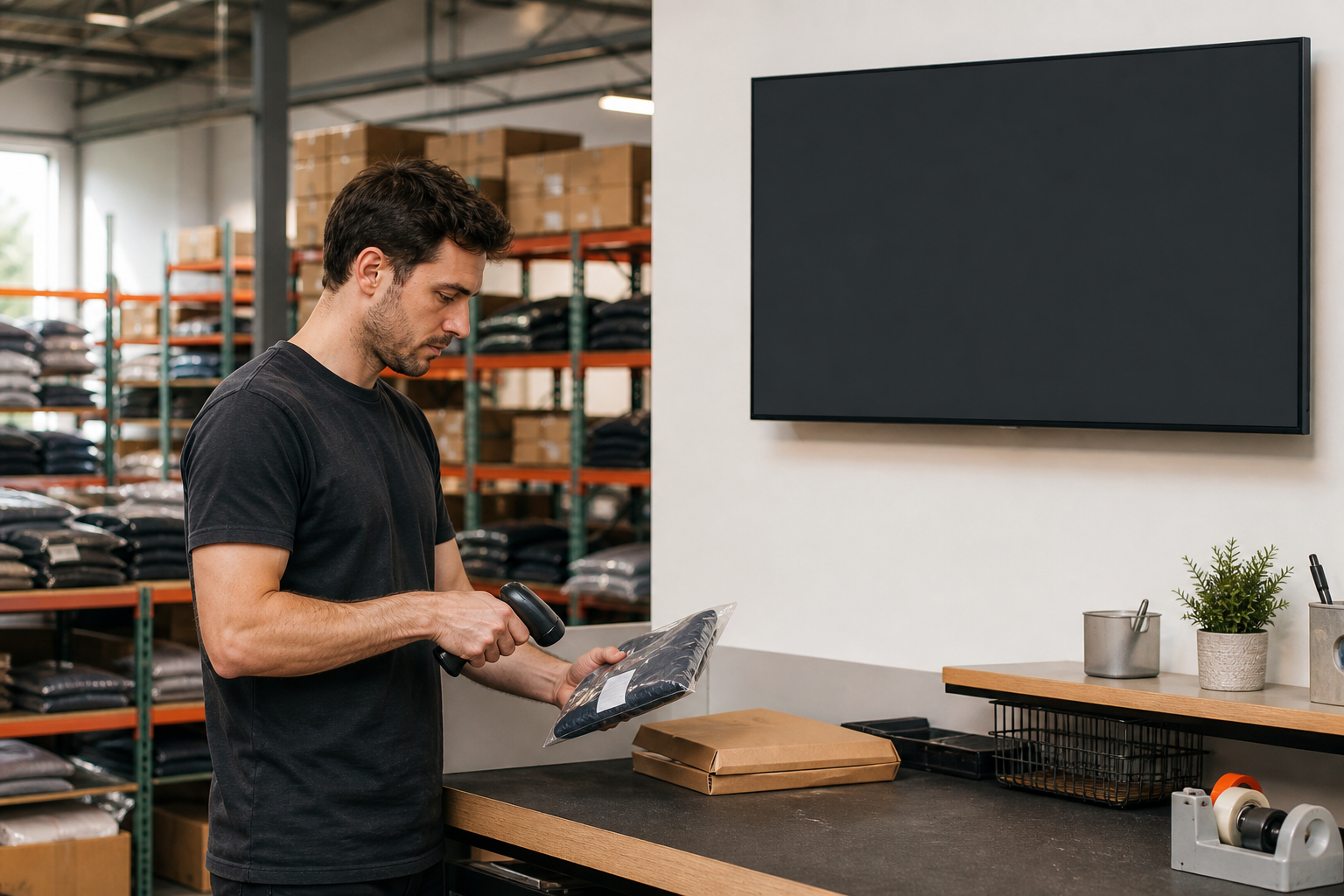
Warehouse worker scanning a packaged item beside a wall-mounted operations screen
Warehouse pulseLive
PeriodOrdersSKUs
Today127382
Week6842,051
Month2,9418,827
Year31,40894,224
Verified scans0/3

Outcome: each accepted scan updates useful SKU totals immediately.

Only the completed, verified pack adds one to the order count.

PhotoStoryProduct pageCheckoutShipLearn

Under the hood

The thinking behind the experience.

A small view of the engineering patterns that connect content, commerce and a safe release process. These examples are simplified and sanitised for public presentation.

01

One product story, every touchpoint

const product = await catalogue.get(sku)

publish({
  story: product.content,
  media: product.gallery,
  availability: product.stock,
})
02

Release across both storefronts

const release = await deploy(change)

await verify(release, {
  storefronts: ['AU', 'NZ'],
  journeys: ['product', 'cart', 'checkout'],
})
03

Proof beyond implementation

const status = {
  implemented: true,
  deployed: true,
  verified: ['desktop', 'mobile', 'checkout'],
}

Production code, credentials and commercial repositories remain private. Our public systems showcase demonstrates the reusable patterns with synthetic data and no production access.

Explore the systems showcase

What this proves

Release is not the finish line.

Fifteen-plus years of building and operating the brand gives us practical experience other businesses can use. Engage us at any point in the journey to expand what is working, connect what is not and build growth across creative, commerce and operations.

Next business

La Gloriosa